
NAS Recovery Karama Business Bay
A sudden hard drive failure caused by an electrical fault can immediately cut off access to critical business files, personal documents, photographs, and other valuable data. Android Data Recovery Business Bay When a hard drive stops spinning, produces an unusual burning smell, fails to power on, or disappears from the system after a power surge […]
A sudden hard drive failure caused by an electrical fault can immediately cut off access to critical business files, personal documents, photographs, and other valuable data. Android Data Recovery Business Bay When a hard drive stops spinning, produces an unusual burning smell, fails to power on, or disappears from the system after a power surge or electrical outage, the Printed Circuit Board (PCB) may have suffered damage. The PCB acts as the drive’s primary electronic control board, managing power distribution, communication with the host system, and essential drive functions. Damage to components such as the controller, power-management circuitry, capacitors, or other electronic elements can prevent the drive from starting normally even when the internal platters remain physically intact.
Recovery Data provides specialized hardware-level hard drive PCB failure data recovery in Dubai and across the UAE for drives affected by electrical surges, short circuits, power fluctuations, and electronic component failures. Our engineers begin with controlled diagnostic testing to identify the damaged circuitry and determine whether the storage media itself remains accessible. Android Data Recovery Business Bay Depending on the drive model and failure pattern, the recovery process may involve component-level PCB repair, micro-soldering, controlled electronic testing, or specialized techniques to restore communication with the drive without compromising the original media.
Signs Your Hard Drive Is Suffering from a PCB Failure
Diagnosing the precise point of failure in a hard drive is the first step toward a successful recovery. Printed circuit board issues present distinct symptoms that differ significantly from mechanical or logical drive failures.
Immediate Symptoms of a Blown Logic Board
Complete Loss of Power: The hard drive shows no signs of life when connected to a computer or external power source. The spindle motor does not spin, there is no vibration, and no indicator lights turn on.
Visible Scorch Marks or Burning Odor: Overheating or electrical spikes can melt chip insulation, leaving visible dark spots on the board components, burnt TVS (Transient Voltage Suppressor) diodes, or a distinct metallic burning smell.
Computer Fails to POST or Shuts Down Immediately: Connecting a short-circuiting drive can trip your computer’s power supply protection mechanisms, causing the system to turn off instantly or fail to start.
Component Overheating: Specific microchips on the logic board, such as the Smooth motor controller IC, become extremely hot to the touch within seconds of receiving power.
PCB Failure vs. Mechanical Head Failure
It is crucial to distinguish board-level electrical issues from internal mechanical failures to prevent permanent data loss.
Common Causes of PCB Damage in UAE Environments
Data storage hardware in the UAE can face demanding environmental and electrical conditions, making it important to understand the factors that contribute to hard drive PCB failure. Power surges, voltage fluctuations, and sudden electrical outages can expose a drive to abnormal electrical conditions, particularly when businesses use uncertified power strips, inadequate surge protection, or unstable power sources. A severe surge can damage protective components such as TVS diodes, power-management circuits, and controller components on the drive’s PCB.
Thermal stress can also affect drives installed in desktop systems, external enclosures, and multi-bay storage configurations. Poor ventilation and prolonged exposure to elevated temperatures can accelerate the degradation of electronic components, solder joints, and capacitors, increasing the risk of intermittent operation or complete board failure. Using an incorrect power adapter presents another serious risk. For example, connecting an adapter with the wrong voltage to an external drive enclosure can damage its input circuitry and other electronic components almost immediately.
Static electricity creates another potential hazard when technicians or users handle internal storage devices without appropriate electrostatic discharge (ESD) protection. A static discharge can damage sensitive surface-mounted components, controller circuitry, or other electronic elements on the PCB. Proper grounding, anti-static handling procedures, suitable power protection, adequate cooling, and the use of manufacturer-approved power adapters can significantly reduce the likelihood of electronic drive failure and help extend storage hardware reliability.
Why a Simple PCB Board Swap Will Not Work
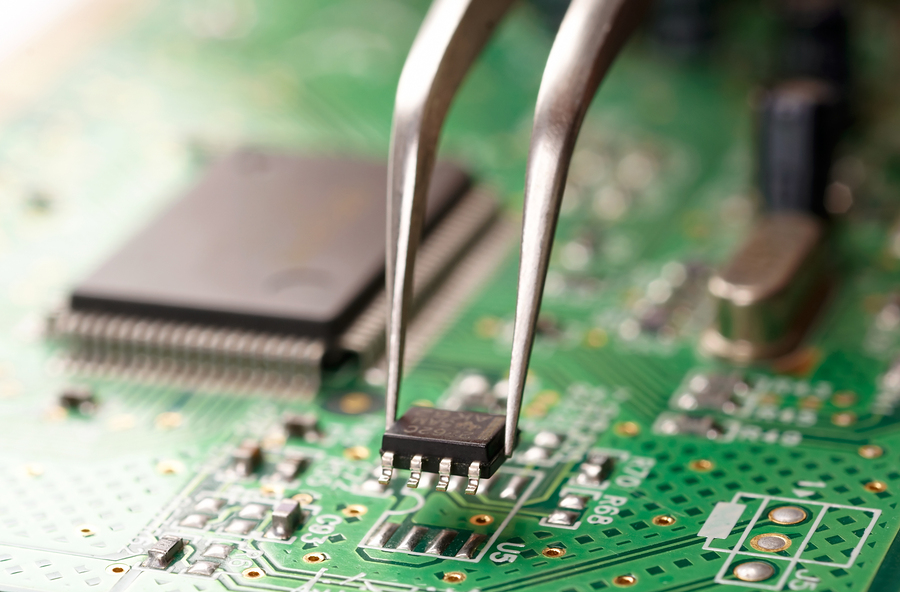
A common misconception is that fixing a dead hard drive simply requires buying an identical model on the secondary market and swapping the green logic board. On older drives produced decades ago, this technique occasionally worked. On modern drives, a direct board swap will almost certainly render your data permanently inaccessible.
Unique Adaptability Data (NVRAM/ROM Calibration)
Modern hard drives from manufacturers such as Western Digital, Seagate, Toshiba, and HGST may store drive-specific calibration parameters and firmware information in ROM, NVRAM, or other non-volatile memory associated with the logic board. This information can include head-related adaptive parameters, factory defect lists such as the P-List and G-List, and firmware modules that help the drive controller initialize the device and communicate with the storage media. These parameters vary between individual drives and play an important role in maintaining compatibility between the electronics and the internal platters.
Installing a replacement PCB without preserving or transferring the required drive-specific adaptive information may prevent the drive from initializing correctly. The drive might spin up, produce repeated clicking sounds, fail to identify properly, or shut down during initialization. In some situations, an incorrect repair or inappropriate firmware operation can also introduce additional risks to system areas on the disk. For this reason, specialists assess the original PCB, preserve relevant ROM or NVRAM information where applicable, and use model-specific procedures before attempting controlled data recovery.
The Risks of DIY PCB Repair Attempts
Attempting to repair a damaged hard drive PCB without specialized soldering stations, hot-air rework equipment, and appropriate firmware tools can cause irreversible damage. Excessive heat during an amateur ROM chip transfer may damage the chip and compromise drive-specific calibration or firmware information. Installing an incompatible PCB revision can also create problems, as drives with similar model numbers may use different board layouts, component configurations, or firmware requirements across manufacturing batches.
Applying power after an incorrect repair can create additional electrical faults and potentially damage sensitive components within the drive, including the spindle motor or head assembly. Professional PCB recovery specialists use controlled diagnostics and appropriate hardware tools to reduce these risks and protect the original storage media.
Our Professional PCB Data Recovery Process
At Recovery Data, we follow a rigorous, non-destructive hardware recovery protocol to safely isolate electrical damage, repair hardware controllers, and extract your files.
Step 1: Micro-Electrical Diagnostics
Every incoming drive undergoes testing using digital multimeters and oscilloscope diagnostics. We inspect power rails, test input smoothing capacitors, check TVS diode resistance, and verify whether the primary drive controller chip or Smooth motor IC has suffered internal shorts.
Step 2: Board Component Repair or Adaptive Matching
When PCB damage remains limited to individual protective or passive components, engineers can perform minor circuit repairs using precision surface-mount micro-soldering equipment. Common examples include failed 5V or 12V TVS protection diodes and damaged zero-ohm resistors. Specialists first identify the failed component and confirm that the underlying circuitry remains suitable for repair before replacing it with an appropriate component.
If the primary controller IC has suffered severe damage or the PCB substrate has extensive charring, engineers may use a carefully matched donor board. They select a compatible donor based on the drive’s board architecture, revision, component configuration, and controller or chip revision. Where the drive design permits, specialists preserve the original ROM or NVRAM containing drive-specific information and transfer it to the replacement board. This process can help restore communication with the original storage media while minimizing unnecessary intervention on the drive itself.
Step 3: Firmware Verification & Drive Stabilization
Once electrical integrity is restored, the drive is connected to industry-standard data recovery utilities (such as PC-3000 hardware systems). We access the drive’s service area (SA), patch firmware errors caused by electrical cutoffs, and stabilize communication.
Step 4: Sector-by-Sector Hardware Cloning
We never read data directly from a repaired drive onto a target computer. Electrical repairs are designed to make the drive functional long enough to extract a raw clone. We create a bit-by-bit sector image on dedicated target media, bypassing bad blocks dynamically.
Step 5: Logical File Extraction and Verification
Our engineers parse the extracted image file system (NTFS, FAT32, exFAT, APFS, EXT4, or BTRFS), reconstruct folder trees, and verify file integrity before delivering the recovered data on a secure external storage device.
Supported Hard Drive Brands & Enclosures
Our Dubai technical facility provides board-level hard drive repairs for major brands, model families, and storage formats. We handle Western Digital drives such as My Passport, Elements, WD Blue, WD Black, WD Red, and WD Gold, including models with integrated USB interfaces. Our engineers also diagnose Seagate Backup Plus, Expansion, Barracuda, FireCuda, IronWolf, and Exos drives affected by PCB power faults, terminal issues, and controller failures.
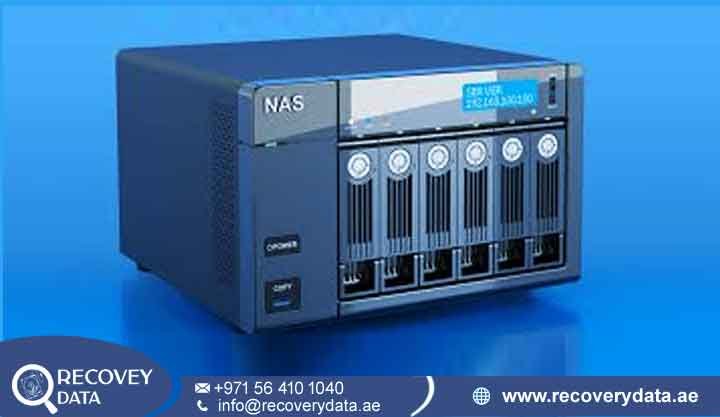
We also support Toshiba, HGST, Hitachi, G-Technology, LaCie, SanDisk Professional, and external storage enclosures affected by electronic or power-related damage. Engineers use model-specific diagnostics and ROM analysis to determine the safest recovery approach. When a failed drive belongs to a multi-drive storage system, we carefully preserve the array structure and filesystem metadata. For these cases, explore our specialized NAS Data Recovery Dubai Services for professional array reconstruction and filesystem recovery.
Secure Data Handling & Confidentiality for UAE Businesses
Data security remains a priority when handling enterprise intellectual property, financial records, and personal customer information. Recovery Data protects client information through strict confidentiality protocols, including non-disclosure agreements (NDAs) covering the diagnostic and recovery process. Engineers perform imaging and data extraction on isolated, offline recovery workstations without external network or internet access, reducing exposure during sensitive operations. Recovered files remain on encrypted local storage during client verification, after which temporary recovery images are securely erased using recognized data sanitization practices.
When a case involves both electronic and mechanical damage, such as a dropped external drive or damaged read/write heads, engineers use controlled cleanroom procedures to protect the storage media during physical recovery. This approach helps maintain data confidentiality while allowing specialists to address complex hardware failures safely.
Emergency PCB Data Recovery Across Dubai & UAE
When system downtime directly affects business operations, standard turnaround times may not be sufficient. Recovery Data offers emergency data recovery evaluations for urgent corporate and personal data loss events.
Coverage & Collection Options
We serve commercial and residential clients throughout Dubai, including Business Bay, Karama, Dubai Marina, JLT, DIFC, Downtown Dubai, and Deira, as well as customers in Abu Dhabi, Sharjah, Ajman, and the northern Emirates. Clients can bring damaged storage media directly to our laboratory for secure logging, initial assessment, and priority evaluation. For added convenience, we also provide secure, tracked courier pickup across the UAE, allowing customers to send affected hard drives, SSDs, RAID components, and other storage devices directly to our diagnostic facility without unnecessary handling or delays.
Frequently Asked Questions (FAQ)
How much does hard drive PCB data recovery cost in Dubai?
Recovery costs depend entirely on the extent of the circuit damage and whether the primary ROM/firmware chip remains intact. Minor board repairs involving component replacement require less time than severe board burns requiring donor matching and micro-soldering chip transfers. Every device undergoes an initial diagnostic assessment to provide an accurate, itemized quote before any repair work begins.
Can you fix a hard drive PCB if the TVS diode is fried?
Yes. Shorted or fried TVS diodes are protective elements designed to burn out when hit with excess voltage, preventing damage from reaching deeper chips. We can safely remove shorted diodes and restore board power rails. However, secondary diagnostics are always performed to ensure the main controller chip was not damaged during the spike.
How long does PCB repair and data extraction take?
Standard diagnostic evaluations are completed quickly upon receiving the device. Most logic board repairs and sector imaging procedures take between 1 to 3 business days, depending on donor board availability and drive reading speeds. Emergency priority handling is available for critical situations.
Do I get my original hard drive back in working condition?
The primary objective of data recovery is to safely extract your files-not to repair the hard drive for long-term continued use. While we temporarily restore logic board functionality to perform a sector-by-sector clone, a hard drive that has suffered severe electrical stress should never be trusted for ongoing daily storage. We deliver your recovered files on a brand-new, healthy external drive.
Request a Professional Data Recovery Assessment
If your hard drive has suffered a power surge, electrical short, or complete logic board failure, avoid repeatedly applying power or attempting DIY repairs, as further testing can increase the risk of secondary damage. Contact our technical team for a professional evaluation and secure data recovery assessment. Recovery Data serves clients in Dubai, United Arab Emirates, and can be reached at +971 56 410 1040 or info@recoverydata.ae. For more information about our recovery services and technical capabilities, visit recoverydata.ae. Contact Recovery Data today to arrange a professional assessment of your damaged hard drive and determine the most appropriate recovery approach.

