
CCTV Footage Recovery in Al Barsha 2
Losing access to important security camera recordings can be a distressing experience. The problem often appears when you need the footage most. You may need a recording for a police investigation, an insurance claim, a workplace incident, or an internal business review. When the required video suddenly disappears, the situation can become stressful and time-sensitive. […]
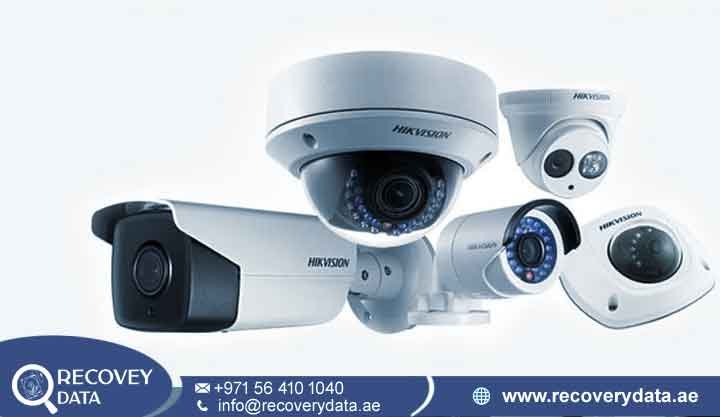
At Recovery Data, we specialize in CCTV Footage Recovery in Al Barsha 2 for DVRs, NVRs, surveillance hard drives, and other CCTV storage devices. Security recordings can provide important information about an incident, so we treat each case with care and confidentiality. Our engineers assess the storage media, identify the cause of the data loss, and select a recovery method based on the condition of the device.
Whether you manage a commercial warehouse, retail outlet, office, residential building, or private villa, our team can assess your CCTV storage problem. Recovery possibilities depend on the type of failure, the condition of the storage device, the recording system, and whether new data has already replaced the missing footage.
Why CCTV Footage Disappears: Common Failure Points
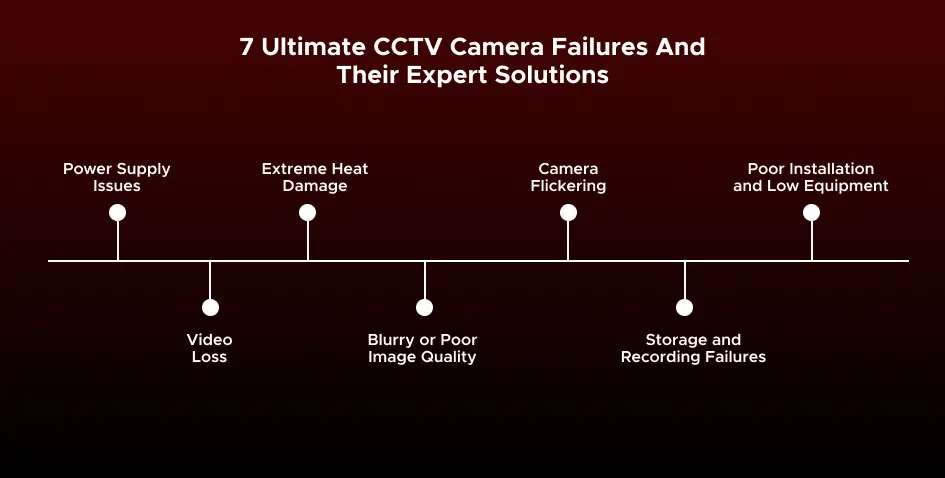
CCTV systems in Dubai often operate continuously for long periods. A surveillance system may record every hour of the day, placing a constant workload on its storage drives. Heat, power problems, mechanical wear, accidental deletion, storage limits, and file corruption can all affect recorded footage. If you need a CCTV technician near Al Barsha 2, the first step is to identify what happened to the recording. Different problems require different recovery methods.
1. Accidental Deletion and Human Error
Human error can cause the sudden loss of important CCTV recordings. A user may accidentally delete a channel while attempting to export a particular clip. Someone may also format a storage device while changing DVR or NVR settings. In other cases, incorrect configuration can make older recordings difficult to locate. These situations may involve logical data loss rather than physical damage to the hard drive. If the storage device has not continued recording extensively after the incident, some of the original information may remain available. The safest approach is to stop unnecessary activity on the affected storage device. Do not install recovery software directly onto the CCTV drive or use it for further recording. Our engineers can examine the storage structure and determine whether deleted recordings or related data remain recoverable.
2. Physical Hard Drive Failure
CCTV hard drives operate under continuous workloads. Surveillance-focused models such as WD Purple and Seagate SkyHawk are designed for surveillance applications, but they can still develop mechanical, electronic, or logical failures. A failing drive may produce unusual sounds, repeatedly spin up and stop, disappear from the DVR, report an incorrect capacity, or cause the recording system to freeze. Repeated clicking can indicate a serious mechanical problem, although the exact cause requires diagnosis. If the CCTV hard drive starts making repeated clicking or other abnormal mechanical sounds, power down the system and avoid repeated restarts. Continued operation can increase the risk of additional damage in some mechanical failure conditions. A professional examination can determine whether the drive requires controlled imaging, electronic repair, or physical intervention.
3. Loop Overwriting and Storage Cycles
Most DVR and NVR systems use continuous recording. Once the available storage becomes full, the system normally begins replacing older recordings with newer video. This creates a common problem. You may discover an incident several days after it happened, only to find that the CCTV system has already reused part of the storage space. Many customers ask, “Can overwritten CCTV footage be recovered?” The answer depends on how much new information has been written and how the particular CCTV system manages its storage. Once new data replaces old sectors, the original information may no longer be recoverable from those sectors. However, the disappearance of a recording from the CCTV interface does not always tell the whole story. Specialized analysis may identify remaining fragments or recording structures that ordinary software cannot recognize. Our hard drive recovery Al Barsha team can examine the storage media and determine what information remains available.
Why Recovery Data Provides Professional CCTV Recovery in Al Barsha 2
General computer repair shops may offer basic file recovery services, but CCTV recovery can involve specialized storage structures and recording formats. A DVR or NVR does not always store video in the same way as a standard Windows computer. At Recovery Data, we approach each case as a storage recovery problem. We first identify the condition of the device and then select an appropriate recovery method. This helps reduce unnecessary handling and prevents avoidable changes to the original storage media. We also understand that CCTV footage can be sensitive. Recordings may show customers, employees, visitors, vehicles, homes, business operations, or private property. Controlled access and secure handling therefore form an important part of the recovery process.
Class 100 Cleanroom Environment
Physical hard drive recovery requires a controlled environment. When an HDD needs to be opened, airborne particles can interfere with the internal head and platter assembly. For suitable mechanical recovery cases, we use a Class 100 Cleanroom environment to reduce contamination risks during physical procedures. Our engineers may use controlled procedures for cases involving damaged read/write heads, spindle or motor problems, or other internal HDD failures. The exact procedure depends on the drive model and failure condition. Cleanroom work does not guarantee recovery. It provides a controlled environment for delicate physical procedures when the storage device requires them.
Local CCTV Recovery Support
Customers in Al Barsha 2 often need fast assistance because surveillance footage can become less recoverable as a recording system continues operating. Our local service approach allows us to discuss collection or drop-off options and begin the diagnostic process as soon as practical. We focus on clear communication throughout the case. After examining the device, our team can explain the condition of the storage media, the potential recovery route, and the factors that may affect the final result.
Technical Expertise: Understanding CCTV Recording Structures
DVR and NVR systems do not always store recordings using a conventional file structure. Different manufacturers and models can use proprietary recording methods, database structures, video containers, and indexing systems. Brands such as Hikvision and Dahua are widely used in residential and commercial surveillance systems. Their storage architecture can vary by model and firmware version. A standard file recovery program may therefore fail to display recordings even when some underlying data remains on the drive. Our NVR data recovery Al Barsha 2 service involves examining the storage at an appropriate technical level. Depending on the case, engineers may analyze partitions, file structures, recording indexes, metadata, and raw video data.
CCTV recordings may use codecs such as H.264 or H.265, but identifying a codec signature alone does not automatically reconstruct a complete video. Video fragments can be incomplete, fragmented, overwritten, or missing important metadata. Our engineers therefore assess the available data before attempting reconstruction. When sufficient information remains, specialized tools and forensic techniques may help rebuild playable recordings. The final quality and completeness depend on how much of the original recording remains and how the CCTV system stored it.
Legal Compliance and Data Privacy in the UAE
CCTV footage may become part of an investigation, insurance claim, workplace review, or legal matter. When recordings have evidentiary importance, preserving the original storage media and documenting the recovery process can be useful. For sensitive cases, our team can follow controlled handling procedures and maintain records of the recovery work performed. If a formal chain of custody is required by an organization or legal authority, the specific documentation requirements should be confirmed with the relevant authority or legal professional.
Recovery itself does not automatically make footage legally admissible. Admissibility depends on the circumstances, applicable rules, and the requirements of the relevant authority or court. We also recognize the privacy concerns surrounding surveillance footage. Where required, we can discuss Non-Disclosure Agreements (NDAs) and controlled access procedures for sensitive recovery projects.
The Critical First Steps After CCTV Data Loss
When important footage disappears, your first actions can affect the information available for recovery. You do not need to experiment with different software or repeatedly restart a failing DVR.
Turn off the affected DVR or NVR when appropriate: If important footage has been accidentally deleted, or the storage device is behaving abnormally, stop unnecessary recording and activity. Continued recording can replace additional information.
Avoid installing recovery software on the source drive: Recovery programs should not be installed or used in a way that writes new data to the affected storage device.
Do not repeatedly restart a clicking HDD: A mechanically unstable drive may become more difficult to recover after repeated operation.
Keep the original device: Do not discard the original HDD simply because the DVR reports that it needs formatting. The storage media may still contain recoverable information.
Contact a specialist: Professional diagnosis can determine whether the problem involves deletion, overwriting, corruption, firmware, electronics, or mechanical damage. There is no universal “golden hour” that guarantees recovery. However, early action is important, particularly when the CCTV system continues to record over the same storage device.
Comprehensive CCTV Brand and System Support
Our engineers can assess surveillance storage from different manufacturers and system configurations. The exact recovery method depends on the model, firmware, recording structure, storage media, and failure type.
Hikvision and Dahua: These brands are widely used in Dubai surveillance installations. Their recording structures can vary between models, so engineers assess the specific system before selecting a recovery method.
Samsung and Hanwha Wisenet: Commercial surveillance systems can use multiple storage devices and more complex recording configurations. Where RAID or multi-drive storage is involved, the original configuration must be identified before reconstruction.
Swann and Lorex: Residential and small-business systems can also experience deleted footage, failed drives, corrupted recordings, and storage problems. The recovery approach depends on the individual recorder and storage device.
Hybrid and Cloud-Connected Systems: Some surveillance systems combine local recording with cloud services. If cloud synchronization fails, local storage may still contain relevant recordings. However, this depends on the system configuration and retention settings.
Preventative Maintenance: Reducing Future CCTV Data Loss
Professional recovery can help when footage disappears, but prevention remains important for critical surveillance systems. A properly maintained CCTV setup can reduce the risk of unexpected storage failure and improve the availability of important recordings.
Use suitable surveillance storage: Choose hard drives designed for the workload of your CCTV system. Surveillance-focused drives are built for continuous recording applications.
Install a UPS: A suitable Uninterruptible Power Supply (UPS) can help protect the DVR, NVR, and related equipment against power interruptions and certain electrical disturbances.
Maintain proper ventilation: Dust and blocked airflow can increase equipment temperatures. Keep the DVR or NVR in a properly ventilated location and maintain the cooling system according to the manufacturer’s recommendations.
Monitor storage health: Check for repeated storage warnings, recording gaps, unusual drive sounds, and increasing error messages. Early detection can help you replace an unstable drive before a major failure occurs.
Maintain redundant copies of critical footage: For particularly important surveillance areas, consider an appropriate backup or redundant recording strategy. RAID can provide redundancy in some systems, but RAID should not be treated as a substitute for an independent backup.
Frequently Asked Questions
Can overwritten CCTV footage be recovered?
Sometimes, but recovery depends heavily on how much new information has replaced the original footage. Once a storage sector has been overwritten, the previous information may no longer be recoverable from that sector. In some cases, fragments or related recording structures may remain. A professional examination can determine what information is still available.
How much does CCTV data recovery cost in Dubai?
The cost depends on the storage capacity, type of failure, amount of overwriting, recording structure, and whether physical repair is required. Logical recovery may involve less work than a mechanically damaged HDD. A diagnosis provides a more accurate basis for the recovery quotation.
Is it possible to recover video from a burnt or water-damaged DVR?
It may be possible if the storage device remains in recoverable condition. Damage to the DVR electronics does not necessarily mean that the internal HDD has lost its data. Engineers can assess the storage device separately and determine whether it requires electronic repair, controlled imaging, or physical recovery.
How long does CCTV recovery take?
Timeframes vary according to the condition and capacity of the storage device and the complexity of the recovery. Straightforward cases can take less time than physically damaged drives or large surveillance systems. Emergency cases can be discussed with our team based on the urgency and technical requirements.
Can you recover CCTV footage from a failed hard drive?
Potentially. A failed HDD may have an electronic, firmware, logical, or mechanical problem. The recovery method depends on the specific failure. If the drive contains important footage, avoid repeatedly powering it on before professional assessment.
Do you recover CCTV footage from NVR systems?
Yes. We can assess NVR storage and determine whether the recordings can be accessed or reconstructed. The exact approach depends on the NVR manufacturer, model, recording format, storage configuration, and condition of the drive.
Contact the Al Barsha 2 CCTV Recovery Specialists
When important security footage disappears, avoid unnecessary testing and continued recording on the affected storage device. New recordings can replace information that may still be recoverable, while repeated operation can increase risks in some hardware failure cases. If you need CCTV Footage Recovery in Al Barsha 2, contact Recovery Data for professional assistance. Our engineers can assess your DVR, NVR, or CCTV hard drive and explain the available recovery options based on the actual condition of the storage media.
Email: info@recoverydata.ae
Phone: +971 56 410 1040
Location: Dubai, UAE
Whether your case involves accidental deletion, loop overwriting, corrupted recordings, a failed hard drive, power damage, or another CCTV storage problem, professional diagnosis is the right starting point.

